Nasal Polyps Treatment in Lahore –
#1 ENT Specialist Dr. Anwar ul Haq (F.C.P.S.)
Nasal polyps are soft, noncancerous growths inside the nose and paranasal sinuses, usually caused by chronic inflammation, sinusitis, asthma, or allergy. Nasal polyps symptoms include persistent nasal congestion, difficulty breathing, loss of smell (anosmia), frequent sinus infections, and disturbed sleep that reduce quality of life.
Nasal polyps treatment in Lahore is provided by Prof. Brig (R) Dr. Anwar ul Haq, an experienced ENT specialist and nasal surgeon skilled in otolaryngology. Dr. Anwar ul Haq offers both medical treatment and advanced endoscopic nasal surgery for nasal polyps, which reduce complications, restore normal breathing, and improve long-term outcomes.
- Same-Day Consultation
- 85% Success Rate
- Day-Care Surgery
- Expert Care
Or call directly: 0300-629-2042





Nasal Polyps Symptoms – Do You Have Them?
Nasal polyps present with characteristic symptoms that progressively worsen as the growths increase in size. Early symptom recognition enables timely medical intervention.
Most Common Nasal Polyps Symptoms
Breathing Problems (90% of patients experience this)
Your nose feels constantly blocked, making normal breathing impossible. You find yourself breathing through your mouth, especially at night, which causes dry mouth and poor sleep.
- Can’t breathe through nose even when not sick
- Mouth breathing during sleep
- Snoring that disturbs family
- Feeling tired due to poor sleep
Smell and Taste Loss (80% of patients)
Food doesn’t taste good anymore because smell and taste work together. You can’t detect cooking aromas, perfumes, or even dangerous smells like gas leaks.
- Food tastes bland or flavorless
- Can’t smell flowers, perfumes, or cooking
- Family notices you can’t detect strong odors
- Dangerous – can’t smell gas leaks or smoke
Constant Sinus Problems (70% of patients)
Your sinuses stay blocked, leading to frequent infections that don’t respond well to normal treatments.
- Thick, colored discharge from nose
- Face feels heavy and pressured
- Frequent headaches around eyes and forehead
- Sinus infections every few months
When You Need Immediate Medical Help
These symptoms require emergency consultation:
- Complete nose blockage for more than 2 days
- Severe face pain with high fever
- Changes in vision or eye swelling
- Heavy nosebleeds that won’t stop
Quality of Life Red Flags
- Missing work due to breathing problems
- Can’t exercise because of nose blockage
- Depression from constant discomfort
- Relationship problems due to snoring
If you have 3 or more symptoms lasting over a month, you likely have nasal polyps and should get examined.
Check the symptoms above to get your personalized assessment:
0300-629-2042What Are Nasal Polyps
Nasal polyps are benign, soft tissue growths that develop in the nasal passages and sinuses. These growths form when the mucous membrane lining becomes chronically inflamed and swollen, creating polypoidal tissue that can obstruct normal nasal breathing.
Nasal polyps are non-cancerous growths that typically cause no pain, which often leads to delayed diagnosis until symptoms become severe. These growths can range from small, pea-sized formations to larger masses that completely obstruct nasal passages, forcing patients to breathe primarily through their mouth.
If you can’t smell food cooking, struggle to breathe during sleep, or have constant sinus infections, you probably have nasal polyps. The good news? They’re completely treatable.
What You Need to Know
Types of Nasal Polyps
Understanding your polyp type helps determine the best treatment approach and expected results. The location and number of polyps affect both symptoms and treatment success.
Single Large Polyps (Antrochoanal)
These appear as one large growth, usually in younger patients. They grow from the cheek sinus area and are often easier to remove surgically.
- ✓ Usually need surgery for complete removal
- ✓ Surgery is often simpler and more successful
- ✓ Less likely to come back after treatment
- ✓ More common if you’re under 30
Multiple Small Polyps (Ethmoidal)
These appear as clusters of smaller growths, common in adults over 40. They’re strongly linked to asthma and allergies.
- ✓ Often treatable with nasal sprays initially
- ✓ May need surgery if sprays don’t work
- ✓ Higher chance of returning if you have asthma
- ✓ Require long-term maintenance treatment
What Causes Nasal Polyps
Understanding causes helps prevent them from returning after treatment. Most patients have underlying conditions that make polyps more likely to develop.
Main Causes (What Actually Happens)
Chronic nasal inflammation is the primary cause of nasal polyps. When nasal tissues remain inflamed for extended periods (typically months or years), the mucous membrane responds by forming polypoid growths as a protective mechanism against ongoing irritation.
The inflammatory process leads to tissue edema and cellular proliferation, resulting in the characteristic soft, translucent appearance of nasal polyps. This condition most commonly affects individuals with underlying respiratory conditions, allergic sensitivities, or genetic predispositions to chronic inflammation.
If you have year-round allergies, you’re at higher risk. Untreated sinus infections can trigger polyp growth. Some people are genetically more likely to develop them. Environmental triggers can worsen the condition.
Your Personal Risk Level
Environmental Triggers in Pakistan
High-risk exposures common in Pakistani cities:
- ✓ Air pollution in Lahore, Karachi, Islamabad
- ✓ Industrial chemical exposure
- ✓ Dust storms and construction dust
- ✓ Cigarette smoke (active and passive)
- ✓ Strong cooking spices (for sensitive individuals)
If you live in polluted areas or have allergies, you need more aggressive preventive care.
How Dr. Anwar Diagnoses Nasal Polyps
Getting an accurate diagnosis is crucial for choosing the right treatment. Dr. Anwar uses a systematic approach that identifies not just polyps, but underlying causes.
What Happens During Your Visit
Your consultation focuses on understanding your specific situation and symptoms, not just looking for polyps. Most patients get a clear diagnosis and treatment plan in one visit.
Camera Examination (Most Important Test)
Nasal endoscopy provides direct visualization of nasal polyps and surrounding anatomical structures. This diagnostic procedure utilizes a flexible fiberoptic endoscope to examine the nasal cavities, assess polyp size and location, and determine the extent of mucosal involvement.
You’ll understand exactly what’s wrong and why you have symptoms. Most patients feel relieved finally seeing the cause of their problems.
When You Need Additional Tests
CT Scan (only if surgery is needed): Shows the full extent of polyps and helps plan surgery. Takes 15 minutes, no special preparation needed.
Allergy Testing (if you have multiple triggers): Identifies what’s causing your nose inflammation so we can control it better.
Most patients only need the camera examination. Additional tests are only done when they help choose better treatment.
Medical Treatment for Nasal Polyps
For small to medium polyps and early-stage symptoms. About 60-70% of patients get significant relief without surgery.
Nasal Sprays (Most Effective Medicine)
Topical corticosteroid sprays are the first-line medical treatment for nasal polyps. These medications work by reducing local inflammation directly at the polyp site, leading to gradual size reduction and symptom improvement over time.
- ✓ Cheaper than surgery (PKR 2,000-4,000 monthly)
- ✓ No time off work needed
- ✓ Must use daily for best results
- ✓ Takes 6-12 weeks to see major improvement
Saline Rinses (Essential Support)
Nasal saline irrigation helps remove mucus secretions and improves medication penetration to affected tissues. This adjunctive therapy mechanically cleanses the nasal passages, reducing bacterial load and enhancing the effectiveness of topical treatments.
- ✓ Use twice daily for best results
- ✓ Reduces infection risk
- ✓ Improves spray effectiveness
- ✓ Costs only PKR 200-300 monthly
When Medical Treatment Isn’t Enough
About 30-40% of patients need surgery when:
- Sprays don’t improve breathing after 3-4 months
- Polyps are too large for medication to work
- You can’t smell anything despite treatment
- Constant sinus infections continue
Nasal Polyps Surgery Options in Lahore
Treatment choice depends on polyp size, symptoms severity, and how much they affect your daily life.
Endoscopic Nasal Polyps Surgery
Endoscopic polypectomy involves minimally invasive removal of nasal polyps using specialized instruments guided by endoscopic visualization. This surgical approach provides direct access to affected areas through the natural nasal openings without external incisions.
What Surgery Involves:
- ✓ 45-90 minutes under general anesthesia
- ✓ Go home same day
- ✓ Return to work in 5-7 days (office job)
- ✓ Full recovery in 4-6 weeks
Realistic Success Rates:
- ✓ 80-85% breathe significantly better
- ✓ 65-75% regain good sense of smell
- ✓ 10-15% may need repeat surgery within 5 years
- ✓ 5-10% have minor complications
Advanced FESS Surgery (Functional Endoscopic Sinus Surgery)
Functional Endoscopic Sinus Surgery (FESS) is a comprehensive surgical approach for extensive nasal polyposis involving multiple sinus cavities. This technique utilizes endoscopic guidance and specialized instrumentation to restore normal sinus drainage patterns while preserving healthy tissue.
When You Might Need FESS Surgery:
- ✓ Polyps in multiple sinus areas
- ✓ Previous surgery didn’t work
- ✓ Structural nose problems
- ✓ Very severe symptoms
- ✓ Chronic sinusitis with polyps
Higher success rate for difficult cases with slightly longer recovery (2-3 weeks). More expensive but often provides a one-time solution and represents the best option for complex situations.
Medical Treatment (Nasal Sprays)
For small to medium polyps. Topical corticosteroid sprays reduce local inflammation. 60-70% see improvement. PKR 2,000-4,000 monthly. Takes 6-12 weeks for major improvement.
Steroid Pills (For Quick Relief)
Systemic corticosteroids provide rapid polyp size reduction for acute symptom relief. These medications are prescribed for short-term use (typically 1-2 weeks) to achieve quick therapeutic response before transitioning to long-term topical treatments.
- ✓ Quick relief in 3-7 days
- ✓ Often used before surgery to make it easier
- ✓ Requires monitoring for blood sugar and blood pressure
- ✓ Not a permanent solution
Find Out Which Treatment You Need
Dr. Anwar offers same-day consultation and diagnosis.
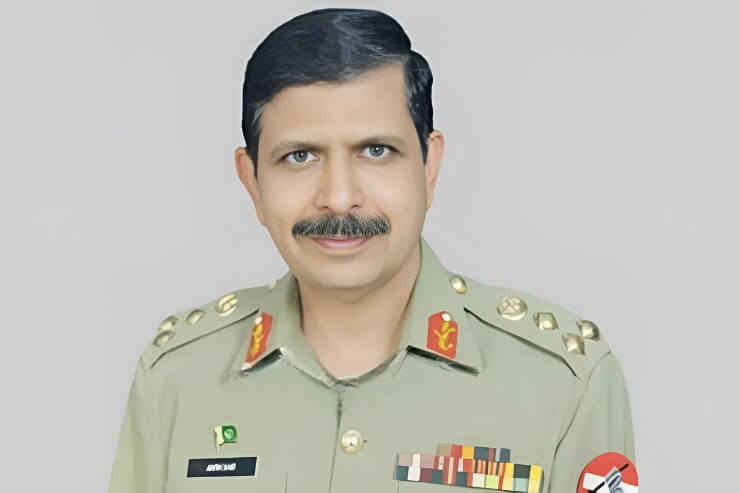
Meet Pakistan’s Most Trusted Nasal Polyps Surgery Specialist
Prof. Brig (R) Dr. Anwar ul Haq
Dr. Anwar has treated over 5000 nasal polyp patients with consistent results. His approach prioritizes the least invasive effective treatment, often achieving excellent results with medication before considering surgery.
34 years of focused experience, conservative approach that avoids unnecessary surgery, and honest communication about realistic outcomes.
Why Choose Dr. Anwar ul Haq:
- Advanced training in London and USA
- 34+ years specialized experience
- Regular speaker at medical conferences
- Conservative approach – avoids unnecessary surgery
Nasal Polyps Treatment Cost in Lahore
Transparent pricing with no hidden charges. All packages include everything needed for successful treatment.
Book Your Consultation Today
Ready to breathe freely again? Call Dr. Anwar ul Haq’s clinic now for immediate consultation booking and treatment cost details.
Have Questions About Your Case?
Dr. Anwar offers free consultations. No obligation.
Real Patient Stories (Verified Reviews)
Real outcomes from nasal polyps patients treated by Dr. Anwar ul Haq.
“Couldn’t breathe through nose for 3 years. Dr. Anwar tried medication first – worked partially. Surgery was day-care, went home same evening. After 2 months, breathing is 90% normal. Smell came back gradually. Total cost was very reasonable.”
“Had constant sinus infections, couldn’t smell food while cooking. Dr. Anwar’s honest approach impressed me – he said surgery might be needed but let’s try sprays first. After 4 months of treatment, significant improvement. Avoided surgery and saved money.”
“Large polyps needed surgery. Dr. Anwar explained everything clearly – realistic expectations, recovery time, costs. Surgery successful, back to work in 1 week. After 1 year, no recurrence. Worth every rupee spent.”
Recovery After Nasal Polyps Treatment
What to expect during your recovery period.
Rest at home after same-day surgery. Mild congestion and discomfort is normal. Take prescribed medications.
Return to light activities. Follow nasal rinse schedule. Breathing gradually improves.
Return to office work (5-7 days for office job). Avoid heavy lifting. Second follow-up visit.
Full recovery. Exercise OK (3-4 weeks). Smell gradually returns over 3-6 months.
Saline Rinses
Use twice daily for best results
Nasal Sprays
Continue maintenance sprays as prescribed
Follow-Up Visits
Keep all scheduled appointments
Frequently Asked Questions About Nasal Polyps
Everything you need to know about nasal polyps treatment.
Hospital Locations & Hours
Two convenient locations in Lahore for your consultation and treatment.
Hameed Latif Hospital
14 Abu Bakar Block, Garden Town, Lahore
Mon–Fri: 6:00 PM – 9:00 PM
0300-629-2042Book Your Nasal Polyps Treatment Consultation Today
Ready to breathe freely again?
Hameed Latif Hospital: Mon–Fri 6–9 PM | Health Care Hospital: Mon–Fri 2–4 PM